

At Rentifi, many property owners reach a point where they ask the same question. Should I keep my home and rent it out, or sell it and move on?
It is a smart question to ask. Converting your primary residence into a rental property can create long-term income, but it also comes with responsibility, risk, and strategy.
Before making that decision, take a step back and work through six key questions that can help you move forward with clarity.
1. Would You Buy This Property as a Rental Today?
Start by removing emotion from the equation.
Your home was likely purchased based on lifestyle. It fit your needs, your taste, and your daily life. That does not automatically make it a strong rental investment.
Now look at it objectively.
If you did not already own this property, would you buy it today as a rental?
Consider:
- Location and rental demand
- Property type and tenant appeal
- Ongoing maintenance expectations
- Income potential compared to similar rentals
If the answer is no, it may not be the right asset to hold long term.
2. What Is Your True Net Profit?
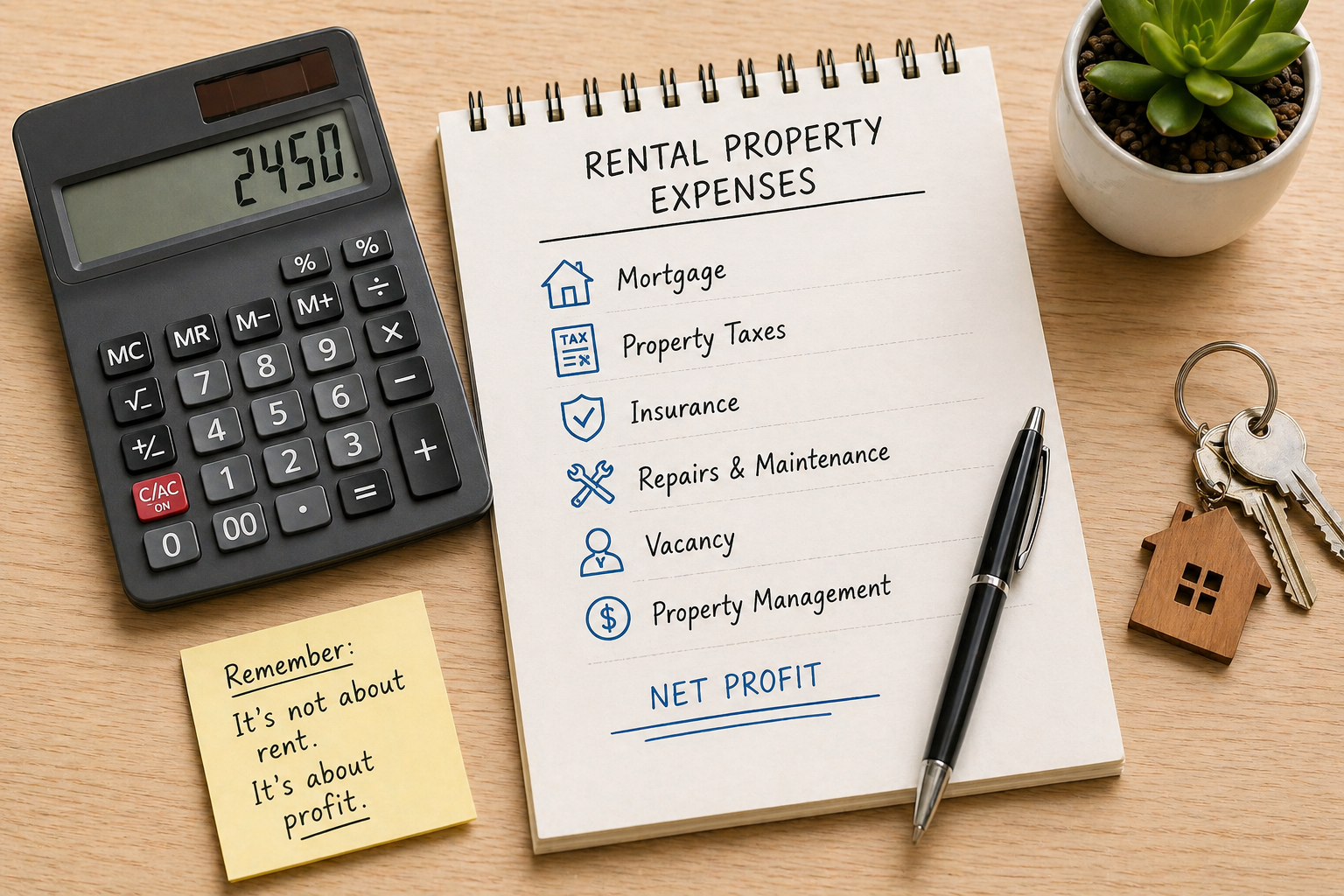
One of the biggest mistakes property owners make is focusing only on rental income.
The number that matters is net profit.
You need to account for:
- Mortgage payments
- Property taxes
- Insurance
- Repairs and maintenance
- Vacancy periods
- Property management fees
Once everything is accounted for, what is left each month?
That is your real return.
If you are in a market like Southwest Florida, it is also important to factor in long-term risks and costs. Preparing for things like severe weather can directly impact your bottom line. Understanding how to protect your rental from storm damage is part of running the numbers properly.
3. Can You Emotionally Detach From the Property?

This is often overlooked, but it matters more than people expect.
Your home is personal. It holds memories and meaning.
Once it becomes a rental, it is no longer your home. It is an investment.
Tenants will live in it differently. There will be wear and tear. Small changes may happen that you would not make yourself.
If that is going to create stress or frustration, it is worth acknowledging early.
Strong landlords approach their properties with a business mindset, not an emotional one.
4. What Are Your Long-Term Plans?
Your decision should align with your future plans.
Ask yourself:
- Do you plan to move back into the property?
- Are you building a long-term rental portfolio?
- Are you planning to sell in the near future?
If selling is part of your short-term plan, renting could complicate things, especially from a tax perspective.
It is important to understand capital gains tax rules when selling a home, as converting your primary residence into a rental can change how those rules apply.
On the other hand, if you are thinking long term, holding the property could support a broader investment strategy.
5. How Far Away Will You Be?
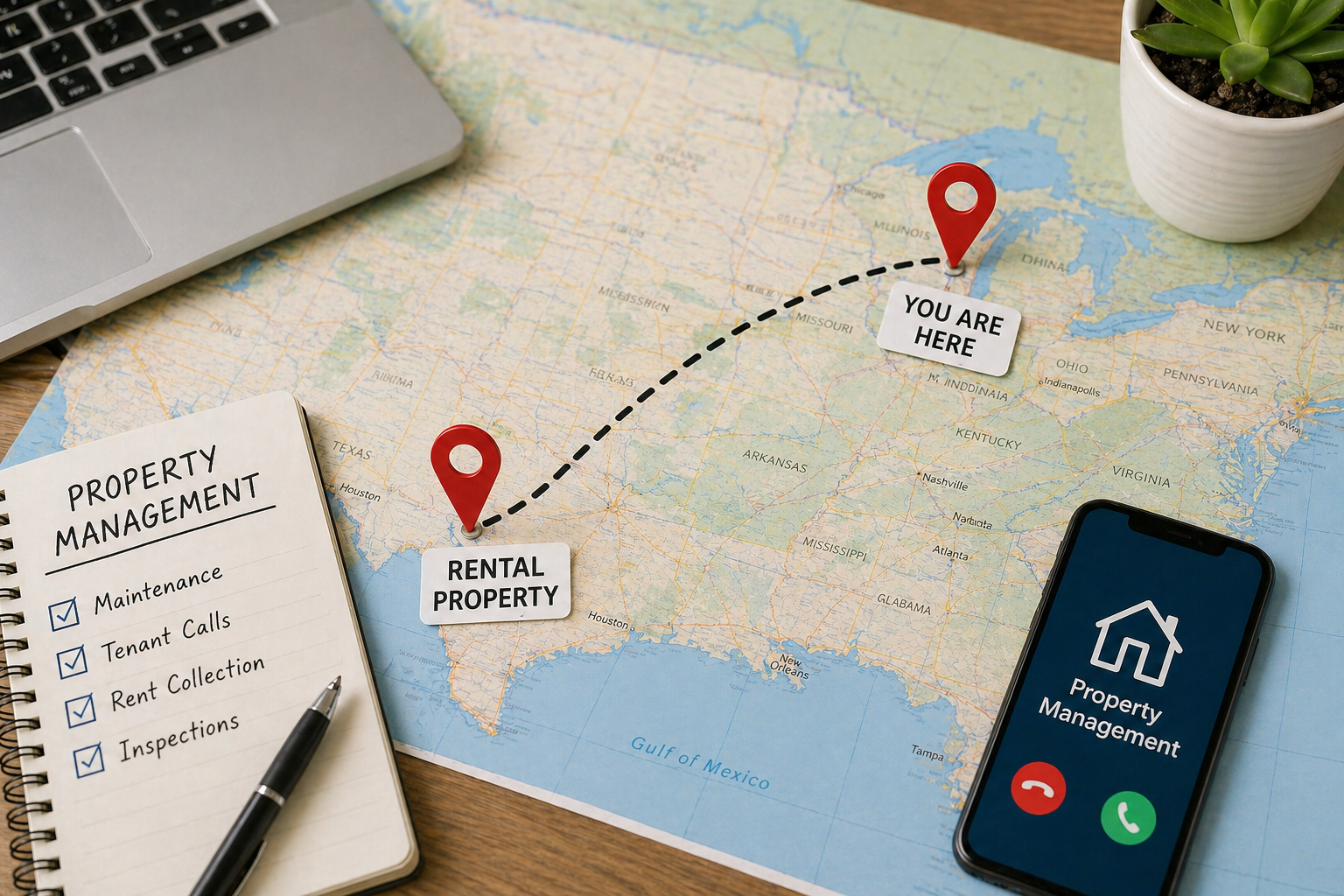
Distance plays a major role in how easy or difficult managing a rental will be.
If you live nearby, handling the property yourself may feel manageable. But once you move farther away, things become more complicated and time-consuming.
You will need to think about:
- Coordinating maintenance and repairs
- Handling tenant communication
- Responding to emergencies
- Managing inspections and turnover
What seems simple at a distance can quickly turn into a constant drain on your time.
In these situations, professional management often shifts from optional to necessary.
It is also critical to understand your responsibilities as a landlord. Knowing the details of Florida landlord-tenant law requirements helps you stay compliant and avoid costly issues.
6. What Are the Tax Implications?
Taxes can significantly impact whether this decision makes sense financially.
When your property is your primary residence, you may qualify for certain tax advantages when selling. Once it becomes a rental, those benefits can change or disappear over time.
You may encounter:
- Loss of some capital gains exclusions
- Taxable rental income
- Depreciation, which affects future resale
These factors can shift your overall return more than most owners expect.
This is not something to guess on. A CPA can help you map out both the short-term impact and the long-term consequences.
For a clearer understanding of how rental properties fit into a larger financial strategy, it helps to look at real estate investment fundamentals.
Bringing It All Together
There is no universal right answer.
For some property owners, turning a home into a rental is a strong financial move that builds long-term wealth.
For others, it creates unnecessary stress and weak returns.
The difference comes down to preparation.
You need clarity on your numbers, your goals, and your expectations.
Rushing into the decision without thinking through these factors is what leads to problems later. Taking the time now helps you avoid costly mistakes and stay ahead. Understanding how to avoid falling behind as a rental property owner can make a meaningful difference over time.
Key Takeaways
- Treat the decision as an investment, not a personal attachment
- Focus on net profit, not just rental income
- Be honest about your ability to detach emotionally
- Align the property with your long-term goals
- Distance increases the complexity of management
- Tax implications can change your overall return
Final Thoughts
At Rentifi, we work with property owners who want to make smart, informed decisions about their investments.
If you are considering turning your home into a rental, slow the process down and evaluate each of these questions carefully. A clear strategy upfront leads to better performance, fewer surprises, and a more successful investment over time.
